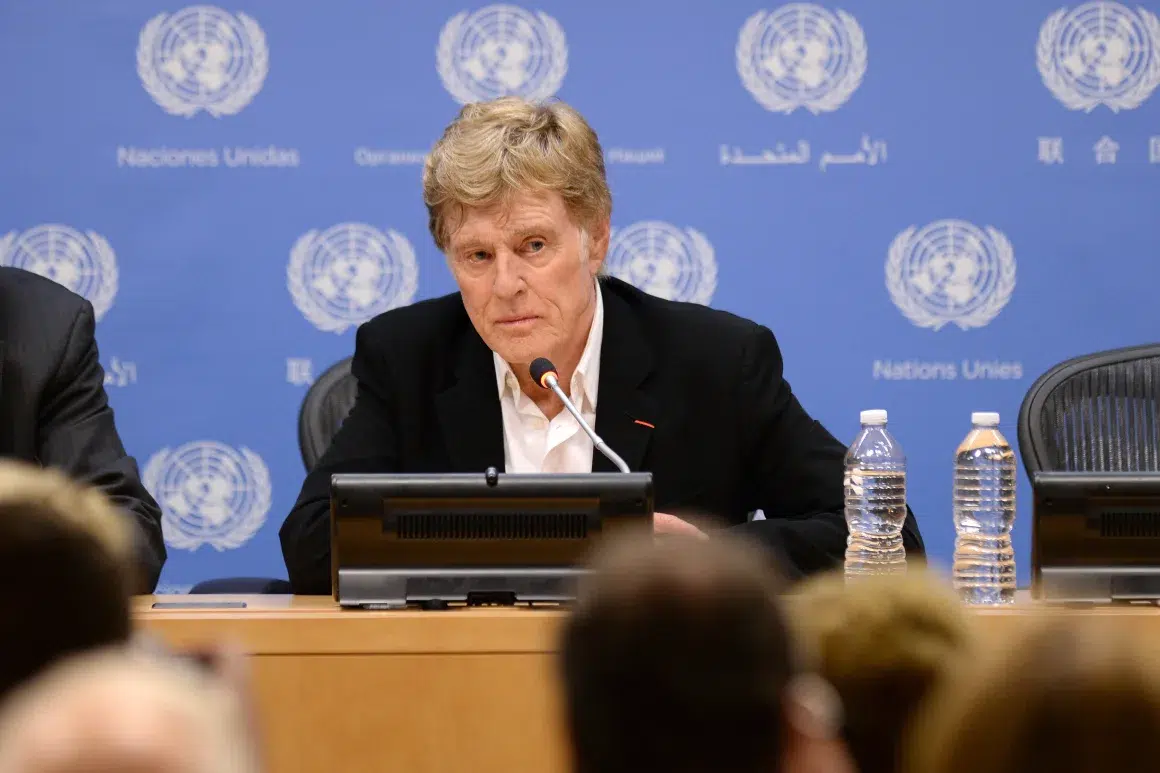
Philanthropist and environmentalist Robert Redford’s legacy goes considerably further than the footlights of Hollywood. While films like “All the President’s Men,” “Barefoot in the Park,” and “Butch Cassidy and the Sundance Kid” secured his reputation, the lifelong environmentalist channelled his creative energy and considerable influence toward fostering social change, safeguarding the planet, and levelling the playing field for emerging filmmakers.
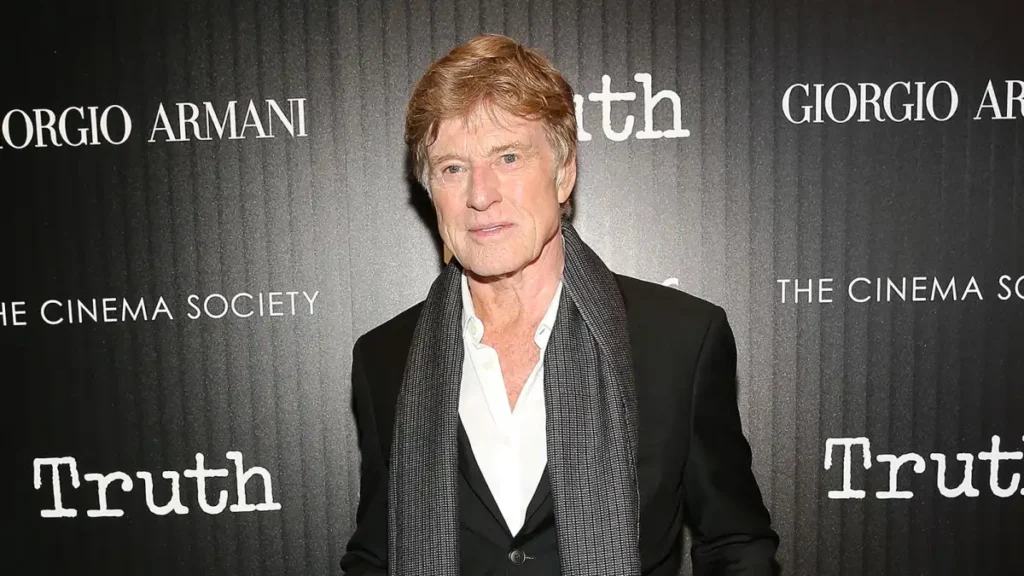
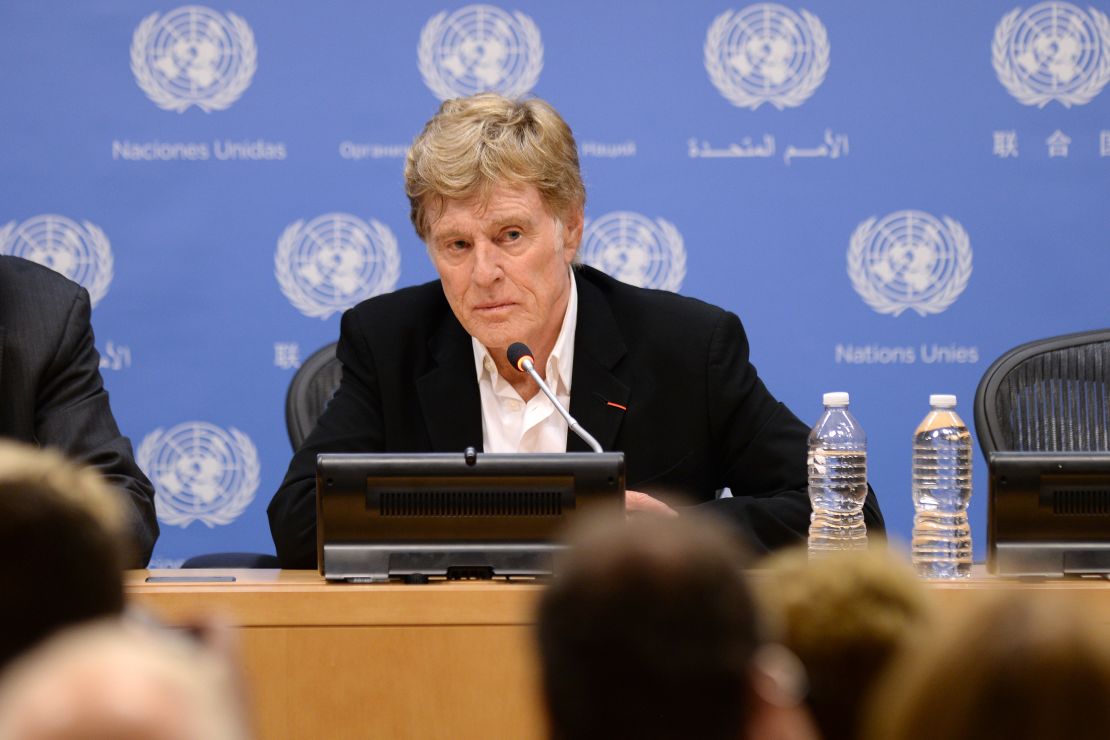
“I’m an actor by trade, but I’m an activist by nature,” he stated in his 2015 keynote address to the UN General Assembly’s High-Level Meeting on Climate Change. “We must find, always, the balance between what we develop for our survival and what we preserve.” In 2002, he became the distinguished recipient of an honorary Academy Award.
He was celebrated as a Kennedy Center honoree in 2005 and awarded the Presidential Medal of Freedom in 2016, each honour recognising both his artistry and his unwavering commitment to justice and environmental stewardship.
1:Environmental causes. Redford’s connection to the natural world was nurtured in childhood.
“At some point in my life I divided my attention between two great dedications, art and nature. I was raised to respect the natural world by what I, as a child at war’s end, witnessed in the transformation of Los Angeles. It was the only metropolis I knew and, at that moment, a radiant one.
I can still picture clear skies over the movies: neon, palms, a hush over the boulevard. Then, in the decade that followed the war, the skyline rose, smog settled, and the freeways radiated like shards through the southland I had treasured. I carried the loss in silence, sensed that the city I had loved the most had evaporated, and so I walked away from it in quiet sorrow.”
“Soon the Sierra called like a mother’s voice. I landed a season’s position at Yosemite, and in the backcountry and the Valley walls I received my education in the raw and unceded beauty of wilderness. It left a quiet echo inside me, so profound I knew the course my life was to chart. I resolved, from that moment, that no picture I painted or story I produced could lack the wild and uncut spirit I had come to revere.”
2:The Redford Center.
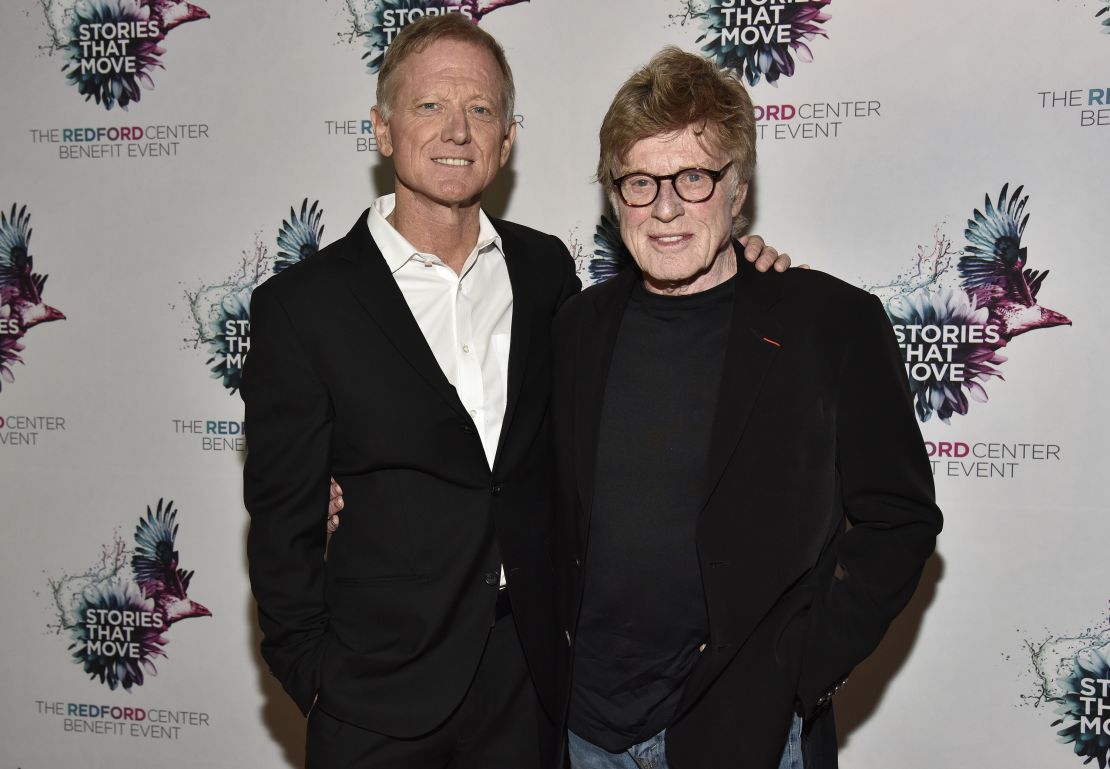
In 2005, Robert Redford and his son James co-founded The Redford Center to elevate environmental storytelling on screen. The Center has since produced feature-length and short docu-films, awards discretionary grants, and curates creative labs for emerging voices whose work might otherwise go unseen.
Following James’s death in October 2020, at the age of fifty-eight, the organization reaffirmed its mission, committing to embody the compassion and imagination that James embodied.
3:Sundance and Filmmaking.
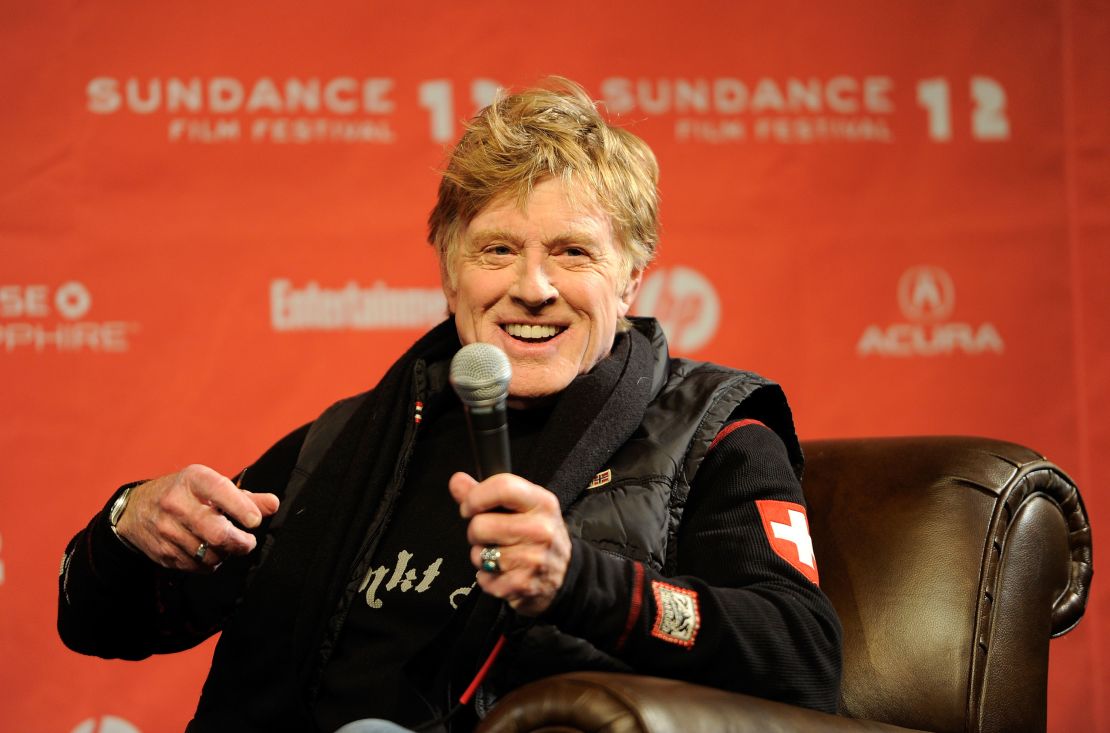
Redford established the Sundance Institute in 1981 as a sanctuary for narrative experimentation. The Institute, a recognized 501(c)3 non-profit, nurtures writers, directors, and composers in film, theater, and emerging media, offering creative labs, work-in-progress screenings, and year-round mentorship.
Its Utah headquarters was a natural choice for Redford, who personally advocated for the 1996 presidential designation of 1.7 million acres of previously threatened backcountry within the Uinta National Forest. He and his first wife, historian and environmental educator Lola Van Wagenen, carpentered the walls of Sundance Mountain home, layering environmental stewardship into every riven timber, every hand-sawn joist.
Since 1985, Sundance has marked the midwinter calendar with a film festival that now converges on the same quiet Utah mountains. Independent texts—from narrative features to performative documentaries—screen before a pan-global audience of critics, curators, ticket holders, and, most importantly, fellow filmmakers.
The institute similarly operates initiatives across the United States and internationally that motivate, link, and uplift autonomous filmmakers.
observes Barbra Streisand; Meryl Streep among the leading memorials to the Hollywood titan.
The Cannes Film Festival characterized him as possessing “unparalleled elegance.”
In a dedicated Cannes statement, the festival reflected: “Eternally Robert Redford: eternally the western hero, the fugitive, the candidate, the convict, the Gatsby, the swindler, the scholar, the matinee idol, the solitary, the codebreaker, the soldier, the reporter, the rodeo legend, the romantic, the athletic, the mariner, the horse whisperer.
“Over seven decades of characters; nine helm-credited features; and the establishment, dominantly, of the Sundance Festival: a catalyst for independent expression. The artist conjoined devotion with exceptional grace: in his performative flights, philanthropic pursuits, and cultural consciences. “Definitively, he roamed outside legend: ever, and decisively, a model in the industry and the world.” “Obligingly he goes, a luminous rider in coveted freedom.”
Demi Moore remembers.
Demi Moore, who shared leading credits in 1993’s Indecent Proposal, has, with warmth, commemorated Redford’s artistry and spirit.
“Film and theater have lost their music, their root… Robert’s light undulates across every frame, every script, and I’ll forever clutch the quiet minutes we shared, those sidelong glances that meant so much. To hold him once more, to find the rhythm of that improvisation, I would step into any spotlight again.”
Ethan Hawke, in turn, has commemorated Redford’s imprint.
Speaking to Variety, he invoked the actor as “the supreme protector of the independent voice, the undimmed champion of honesty in every narrative, and a prophet in the green movement.” Hawke continued: “Robert’s shaping spirit now breathes in our culture, rendered in every courageous performance, every film that opened a new orbit with the courage of truth, and the living legacy he forged at Sundance.”